Top-rated independent appliance repair across the Southeast
Heavy Frost in the Freezer
Heavy frost in a freezer means humid air is leaking in or the defrost system has quit, and both need a repair, not another round of chipping. You open the door and there's a sheet of ice on the back wall, bags frozen into one block, the ice cream drawer barely sliding. So you chip it out, and three weeks later it's back. That isn't normal, even with Atlanta's summer humidity.
Call (888) 826-9217- A real person answers
- Open 7 days
- Written quote before work starts
Taking calls until 5:00 PM ET
By our service team · vetted by the techs who do this daily
What all that ice is actually telling you
A freezer makes frost on purpose. Air passes over a cold coil behind the back panel, moisture condenses there, and a heater melts it off a few times a day. The water drains away. Light frost is fine. Thick sheets are not. Heavy buildup means too much humid air is reaching the coil, or the melt cycle stopped happening. Summer air around the metro carries a lot of moisture, so a door that seals poorly will frost up fast. Where the ice sits matters too. Back wall, floor, door edges, and the ice maker area each point somewhere different.
The usual causes, cheapest first
Start with habits and gaskets. A door left ajar, an overpacked shelf holding it open, or a torn rubber seal lets warm room air pour in all day. Next is a blocked defrost drain, where melt water backs up, refreezes, and builds a slab under the bottom drawer. Then the defrost system itself: heater, thermostat, or control board. That one looks like a solid ice wall behind the back panel, with the fridge section slowly warming. Last, an ice maker line or fill valve leaking a trickle. That makes a lumpy mound near the ice bin instead of even frost.
Safe checks you can do right now
Close the door on a dollar bill and tug. If it slides right out, the gasket is weak at that spot. Wipe the rubber with warm soapy water, because sticky spills keep seals from closing. Look for food or a bin holding the door open a hair. Check the freezer floor for a frozen puddle, which suggests a plugged drain. Make sure nobody bumped the temperature setting. Then empty the freezer, unplug the unit, put towels down, and let it thaw all the way. Stop there. No back panels off, no pulling heaters, no heat gun near plastic.
What a technician does differently
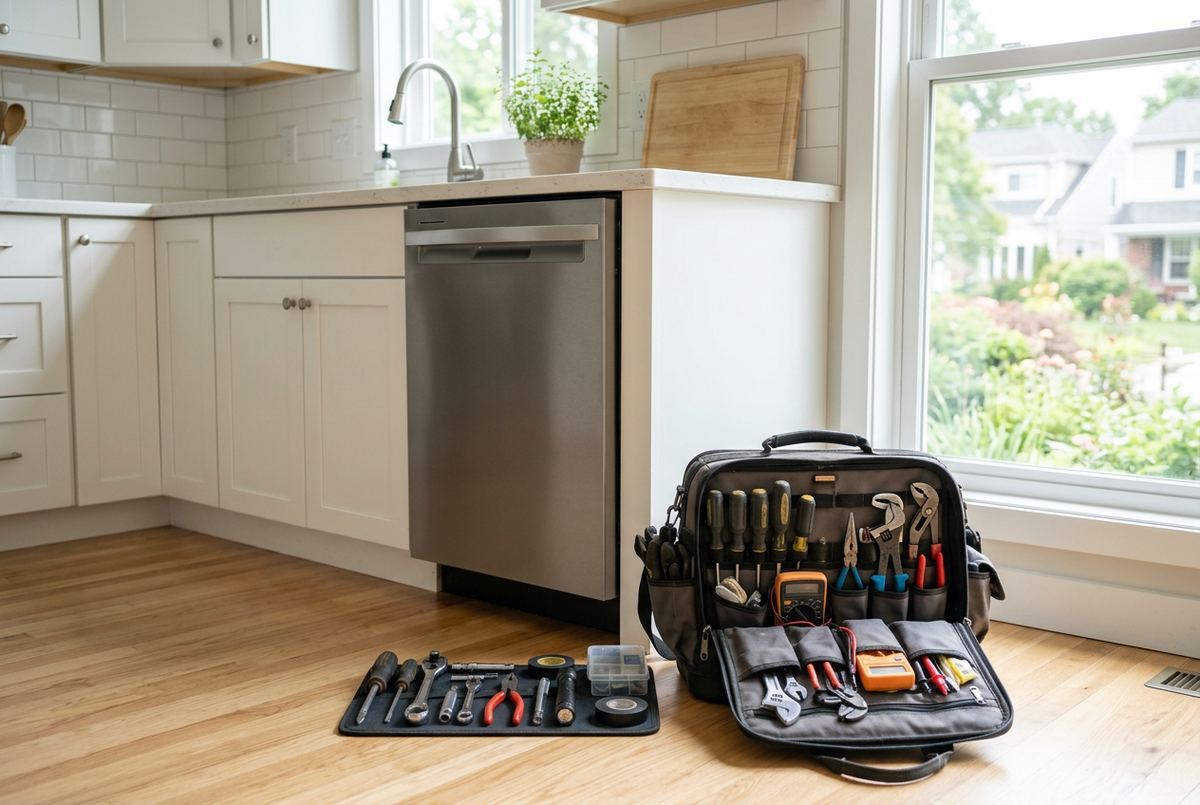
We test instead of guessing. A meter tells us whether the defrost heater has continuity and whether the thermostat closes when it's cold. On models that support it, we read the control board's fault history. We check the evaporator fan and airflow through the vents, since a weak fan can look exactly like a defrost failure. Drain paths get cleared and traced, and we verify the water reaches the pan. Door seal contact gets measured along the whole frame, not one corner. Then we tell you which part failed and what it takes to fix, so you're not thawing this thing every month.
When to call and what to have handy
Call if the ice comes back within a few weeks of a full thaw, if the fresh food side is creeping warm, or if you hear the fan scraping ice. Those get worse, and a warm fridge puts food at risk. Have the model and serial number ready. It's on a sticker inside the door frame or along the liner. Note where the ice forms and how fast it returns. Move what you can into coolers before we arrive so we have room to work. Reach us and we'll schedule around the metro drive, since crosstown traffic shapes our routes.
Heavy Frost in the Freezer — fast answers
Can I just keep scraping the ice out?
You can, but that's treating a symptom, and chipping risks puncturing the evaporator or the liner. If frost rebuilds within a few weeks of a full thaw, something is broken and needs testing.
Why is only the bottom of my freezer icy?
That pattern usually points to a clogged defrost drain. The melt water can't escape, so it pools and refreezes under the drawer. Clearing and tracing the drain path fixes it.
Does Atlanta humidity really cause this?
It makes it worse rather than causing it. Moist summer air condenses fast on the coil, so a weak door gasket that seemed fine in winter can frost the box solid by July.
How it works
- Step 1
Tell us the symptom
Call us or fill out the form. Describe what the machine is doing: the noise, the smell, the error code. Brand and rough age help us load the right parts.
- Step 2
We schedule a window
Metro Atlanta traffic is real, so we book arrival windows that hold up. You get a heads-up before the technician rolls out, and we work around your day where routes allow.
- Step 3
Diagnose, then repair
The technician tests the unit, finds the failed part, and explains what's wrong in plain words. You approve the work before anything gets replaced. Most common parts ride on the van.
- A real person answers
- Open 7 days
- Written quote before work starts
Why homeowners call us
- Built for Southern humidityDamp air punishes appliances. Dryers take longer, gaskets grow mildew, ice makers sweat and freeze up. We see these patterns weekly, so we check for them instead of chasing the obvious part first.
- Pollen-season know-howSpring coats every condenser coil in yellow film. A fridge that struggles in April often just can't shed heat. We clean it, test airflow, and tell you what actually failed versus what was choked.
- Six states, one teamGeorgia and the states around it. Same intake and same diagnostic approach whether you're inside the Perimeter or two hours out, with the same clear explanation at the end. One call reaches the whole service area.
- All major brands, independentWe are not tied to any manufacturer. We service what's in your kitchen and laundry room regardless of badge, and any repair-or-replace recommendation comes from the machine itself, not a brand relationship.
- All major brands, gas & electricOne independent crew for Whirlpool, Samsung, GE, LG, Maytag, Bosch and more.
- Straight answersNot worth fixing? We say that out loud, and often it saves you the visit fee.
About this guide
When the easy checks change nothing, it's time for a tech
Mention which checks you ran when you book; it speeds up the visit.
- A real person answers
- Open 7 days
- Written quotes
- All major brands
- Gas & electric
Rather not call? Get a free quote →